Sustainable Solutions: How E-Waste Recycling Services Are Saving Our Planet
E-waste poses significant threats to the environment, as discarded electronics often contain toxic materials. These hazardous substances can contaminate soil and water, resulting in widespread environmental harm. E-waste recycling initiatives provide a practical answer. They not only recover valuable resources but also mitigate pollution. Understanding how these services operate and their impact on communities is essential. Pursuing efficient e-waste management brings forth pressing questions regarding individual duties and shared responsibility. What measures can be pursued from this point onward?
Why Electronic Waste Is Harmful to the Planet
Although technology enriches modern life, e-waste poses considerable environmental hazards. Discarded electronic devices, often containing toxic substances including lead, mercury, and cadmium, are capable of seeping pollutants into groundwater and soil, posing risks to ecosystems and human health. The accelerating rate of technological innovation leads to greater consumer replacement of electronic devices, worsening the buildup of e-waste.
Landfills, already burdened with waste, struggle to accommodate the growing volumes of discarded gadgets. Incineration, a common waste management technique, emits dangerous pollutants into the environment, degrading atmospheric conditions. In addition, improper recycling practices can lead to the exportation of e-waste to developing countries, where laborers may dismantle devices without adequate safety measures, exposing themselves to dangerous substances. This cycle of neglect and improper handling underscores the urgent need for sustainable recycling solutions that can mitigate the adverse effects of e-waste on the planet.
What Is E-Waste and Why Does It Matter?
E-waste, also referred to as electronic waste, encompasses unwanted electronic equipment including smartphones, computers, and televisions that have reached the end of their useful life. This growing category of waste is significant because of its swift buildup, fueled by innovation in technology and shifting consumer habits. As more devices become obsolete, the toll on the environment grows more severe, with harmful substances like lead, mercury, and cadmium threatening both ecosystems and public health.
The significance of tackling e-waste extends beyond minimizing these risks to recognizing the valuable resources it holds. Valuable metals and rare earth materials can be extracted and repurposed, lessening the demand for mining and preserving natural resources. With a thorough understanding of e-waste and its impact, people and organizations alike can make educated decisions about disposal and recycling, helping to build a more sustainable world. Proper management of e-waste is essential for fostering a circular economy See it here and promoting environmental stewardship.
How E-Waste Recycling Works
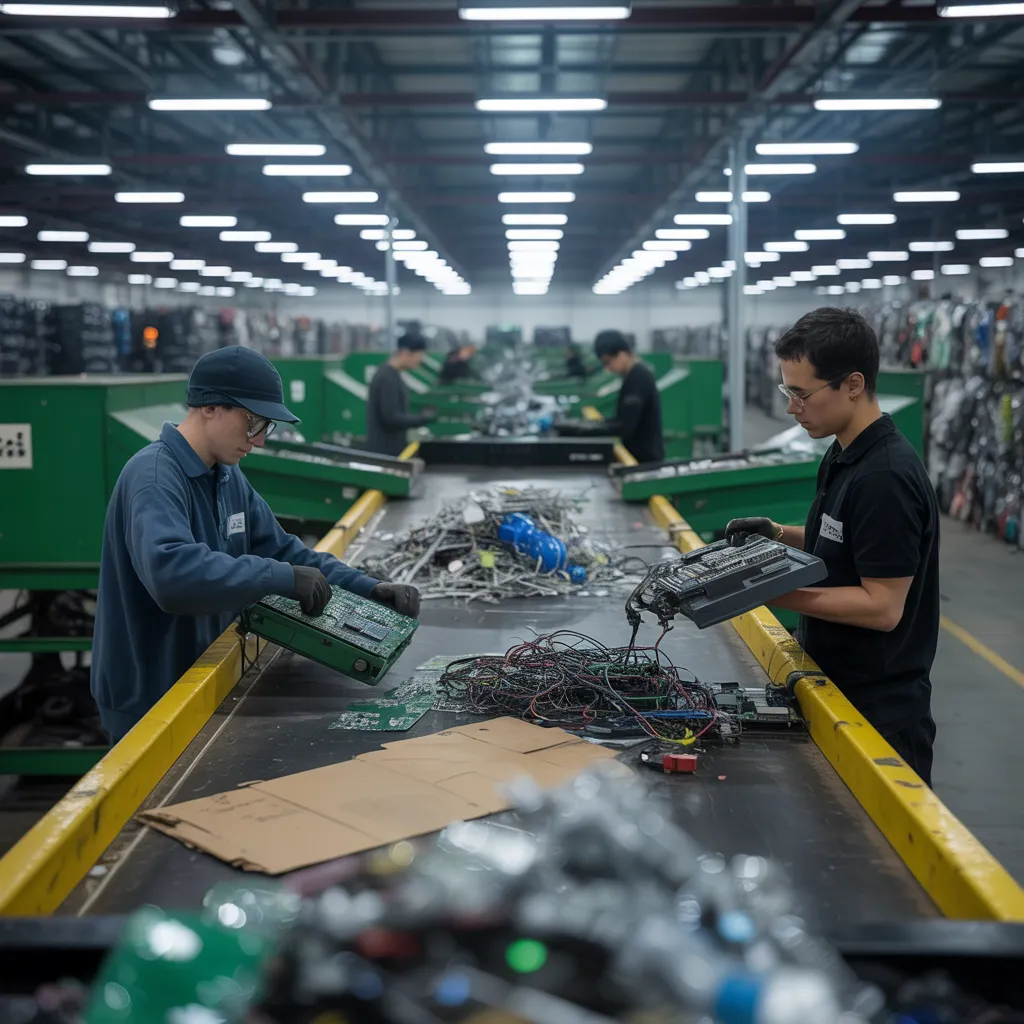
The recycling of e-waste encompasses a systematic process aimed at reclaiming useful resources while minimizing environmental impact. To begin, discarded electronics are retrieved and sent to purpose-built recycling plants. Upon arrival, the devices undergo thorough sorting to distinguish harmful elements from reusable resources.
Following this, workers break down the items, recovering plastics, metals, and glass. This step is critical, as it enables the retrieval of valuable metals like silver, gold, and copper, which may be utilized in new electronic devices.
Subsequently, the divided materials are processed with sophisticated techniques, such as mechanical shredding and chemical processing, to cleanse them for recycling.
Finally, the remaining hazardous waste is handled with responsibility, adhering to environmental regulations. This multi-step approach not only saves important resources but also mitigates the risks connected to improper e-waste disposal, ensuring a more sustainable future for the consumption of electronics.
Benefits of E-Waste Recycling for You and Your Community
While many individuals may not realize it, the benefits of e-waste recycling go far beyond individual benefit and actively shape entire communities. By carefully processing electronic waste, individuals play a role in creating a safer environment, minimizing toxic components that can contaminate soil and water. This proactive approach works to protect local ecosystems and promotes public health.
In addition, the recycling of e-waste encourages employment opportunities within local communities. Regional recycling centers frequently need staff for numerous tasks, spanning collection through processing, consequently creating meaningful employment to area workers. This not only enhances the community economy but also encourages community engagement in sustainable practices.
Furthermore, knowledge about e-waste recycling is capable of inspiring learning opportunities, empowering residents to make environmentally conscious decisions. By taking part in e-waste recycling programs, individuals promote a culture of sustainability, motivating others to embrace similar practices. Overall, the combined impact of these actions can result in a more sustainable and conscientious community.
How to Pick an E-Waste Recycling Service
Choosing the right electronic waste recycling provider is essential for making sure that electronic refuse is handled with responsibility and sustainability. Initially, people should confirm the provider's certifications, such as e-Stewards or R2, which indicate compliance with professional guidelines for safe recycling practices. Additionally, it is advisable to evaluate the organization's standing by reading customer reviews and obtaining recommendations from trusted sources.
Furthermore, clarity in the recycling process is essential. A dependable service should offer detailed insights about how e-waste is processed and what becomes of the materials. Moreover, assessing the variety of services available can be advantageous; certain providers may offer collection services or present rewards for recycling.
Finally, learning about local guidelines related to e-waste disposal can additionally influence the evaluation process. By prioritizing these factors, residents can actively participate in responsible e-waste disposal as well as promoting environmentally responsible practices.
How You Can Take Part in E-Waste Recycling?
Participating in e-waste recycling can start at the local level, where recycling centers regularly supply essential services for responsible disposal. Moreover, participating in community awareness campaigns can enhance efforts to raise awareness about the importance of proper e-waste handling. These actions not only encourage sustainable practices but also build a collective sense of stewardship of the environment.
Nearby Recycling Facilities
Several neighborhood recycling stations perform an important function in e-waste recycling, supplying communities with reliable ways to manage electronic waste appropriately. These hubs welcome a wide array of electronic devices, including used computers, handheld devices, and televisions, making certain that hazardous materials are managed safely. The majority of facilities employ knowledgeable personnel who support individuals in understanding proper disposal practices, emphasizing the importance of recycling over landfilling. Furthermore, numerous facilities provide organized drop-off opportunities or appointed collection periods, making it easy for residents to participate. By engaging with these local facilities, people help build a circular economy, decreasing environmental damage and advancing sustainable approaches. Connecting with these stations empowers communities to take action against e-waste pollution effectively.
Community Awareness Campaigns
Nearby organizations, schools, and enterprises can partner to arrange initiatives that encourage e-waste collection drives. Dedicated participants can take a leading part in spreading awareness, distributing educational materials, and engaging with the community. As a result of these combined actions, residents become more informed and motivated to recycle their electronic waste, thus playing a meaningful role in creating a more environmentally responsible future.
Answers to Your Most Common Questions
What Electronic Devices Are Eligible for Recycling?
Many different electronics may be recycled, including laptops, televisions, smartphones, printers, computers, and gaming consoles. Furthermore, peripherals such as keyboards, mice, and batteries are also suitable for recycling, contributing to environmental conservation efforts.
Is There a Cost Associated With E-Waste Recycling?
Indeed, e-waste disposal sometimes comes with costs, subject to the service provider. Certain providers charge fees for pickup or handling, while others offer free services, frequently supported by the proceeds from salvaged materials.
What Are the Benefits of E-Waste Recycling for Businesses?
Organizations can gain from e-waste recycling by minimizing disposal costs, enhancing their environmental image, meeting compliance standards, extracting valuable resources, and creating potential earnings via resale, thereby fostering a more environmentally responsible business approach.
What Happens to Data on Recycled Devices?
Details from repurposed devices is often irretrievably wiped or obliterated throughout the recycling process. This confirms sensitive information remains secure, preventing unauthorized access while permitting materials to be reused securely and sustainably across new manufacturing processes.
Can I Recycle Broken Electronics?
Indeed, damaged electronics are able to be recycled. Numerous centers accept broken devices, providing safe disposal and recovery of recoverable materials. It helps minimize harm to the environment while fostering responsible recycling practices to address electronic waste efficiently.